
Pulse / Stay informed
News
Scientific and technical advances, in context.
In focus
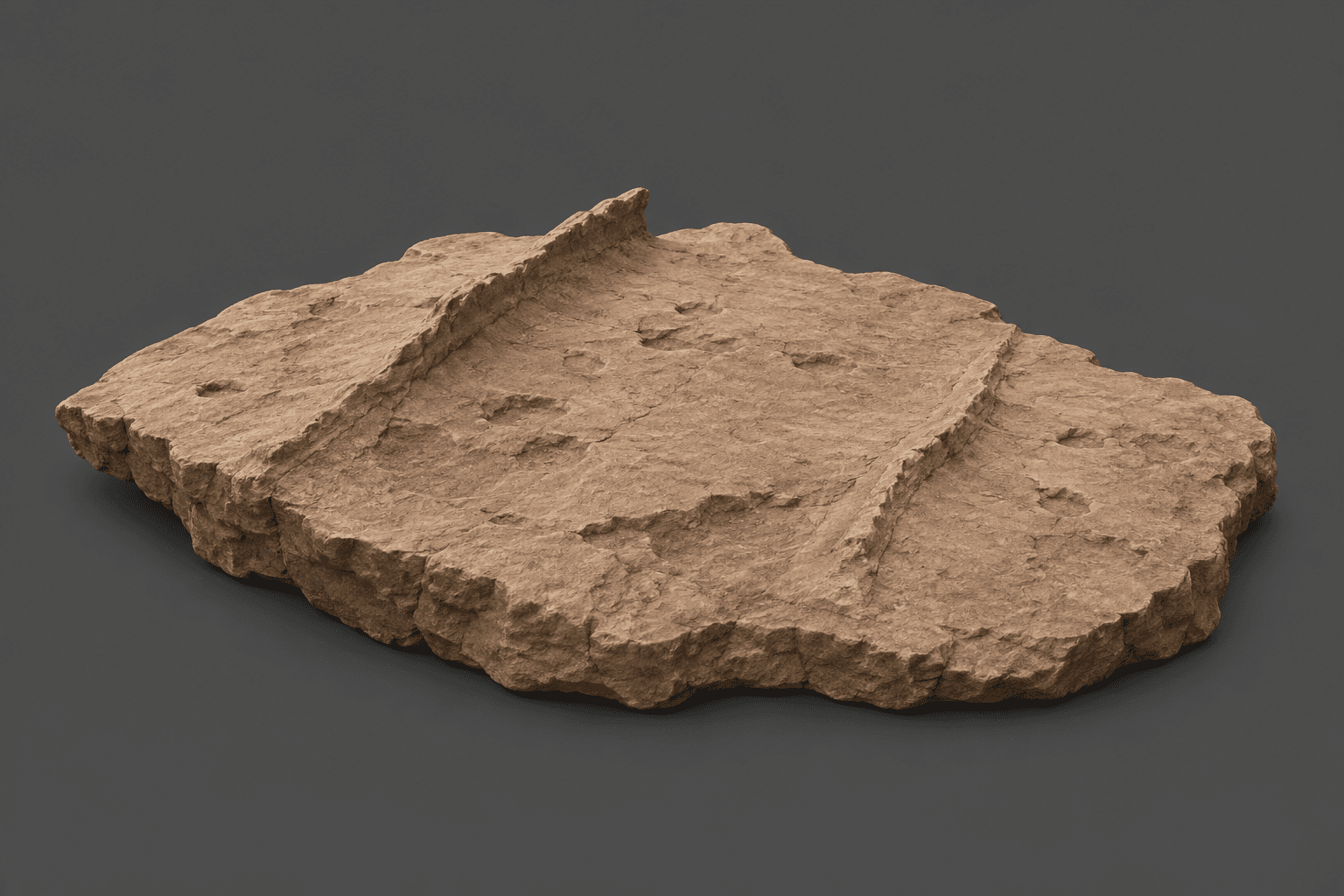
Perseverance traces several water-driven changes in Jezero’s ancient rocks
A study published on 21 September 2026 compares more than 185 SuperCam bedrock targets across four localities in Jezero crater’s Margin unit. Rock textures and chemistry support an igneous origin, local reworking and at least three episodes of water-driven alteration. The analysis refines earlier findings rather than discovering water or carbonates for the first time. Lake water may have contributed, but groundwater alone remains an alternative, and the results are not evidence of life.
Read the articleLatest articles
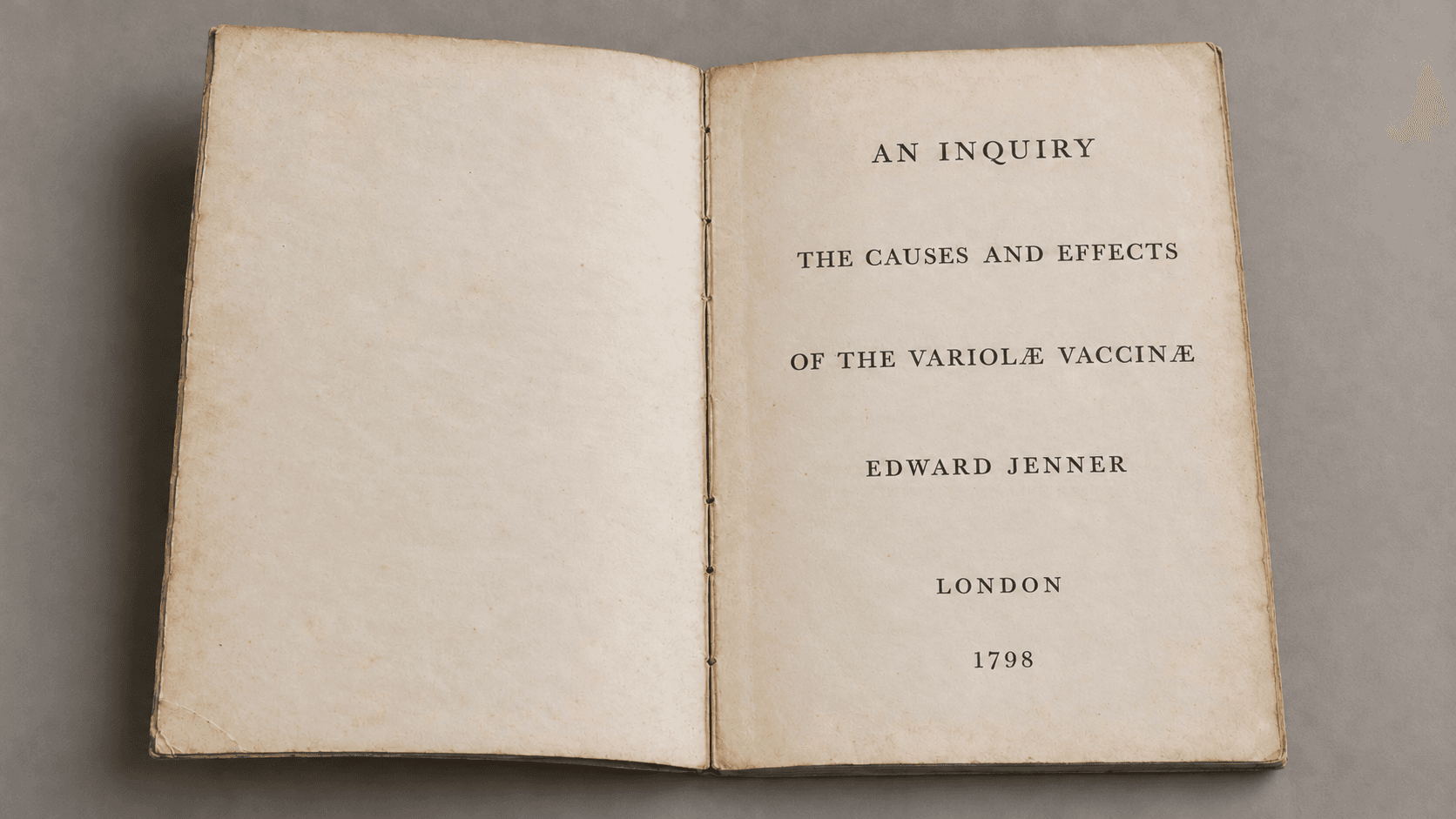
1798: Jenner publishes a path toward vaccination
Edward Jenner’s 1798 book described evidence that cowpox could protect against smallpox, including an experiment begun in 1796. Its observations helped establish vaccination, but did not prove lifelong immunity or explain the modern immune mechanism. Eradication came much later through sustained collective public health work.

Gold nanogaps distinguish amino-acid handedness, with limits in natural extracts
A study published on 5 October 2026 demonstrates electrical discrimination of mirror-image amino acids from the current pulses they produce between closely spaced gold electrodes. A machine-learning classifier distinguishes known L/D pairs and is also tested on mixtures and meteorite and desert-soil extracts. The advance is a single-molecule analytical method, with promising controlled-sample performance. Identification and quantitative agreement weaken in complex mixtures; the experiment neither detects extraterrestrial life nor establishes an instrument ready for a space mission.
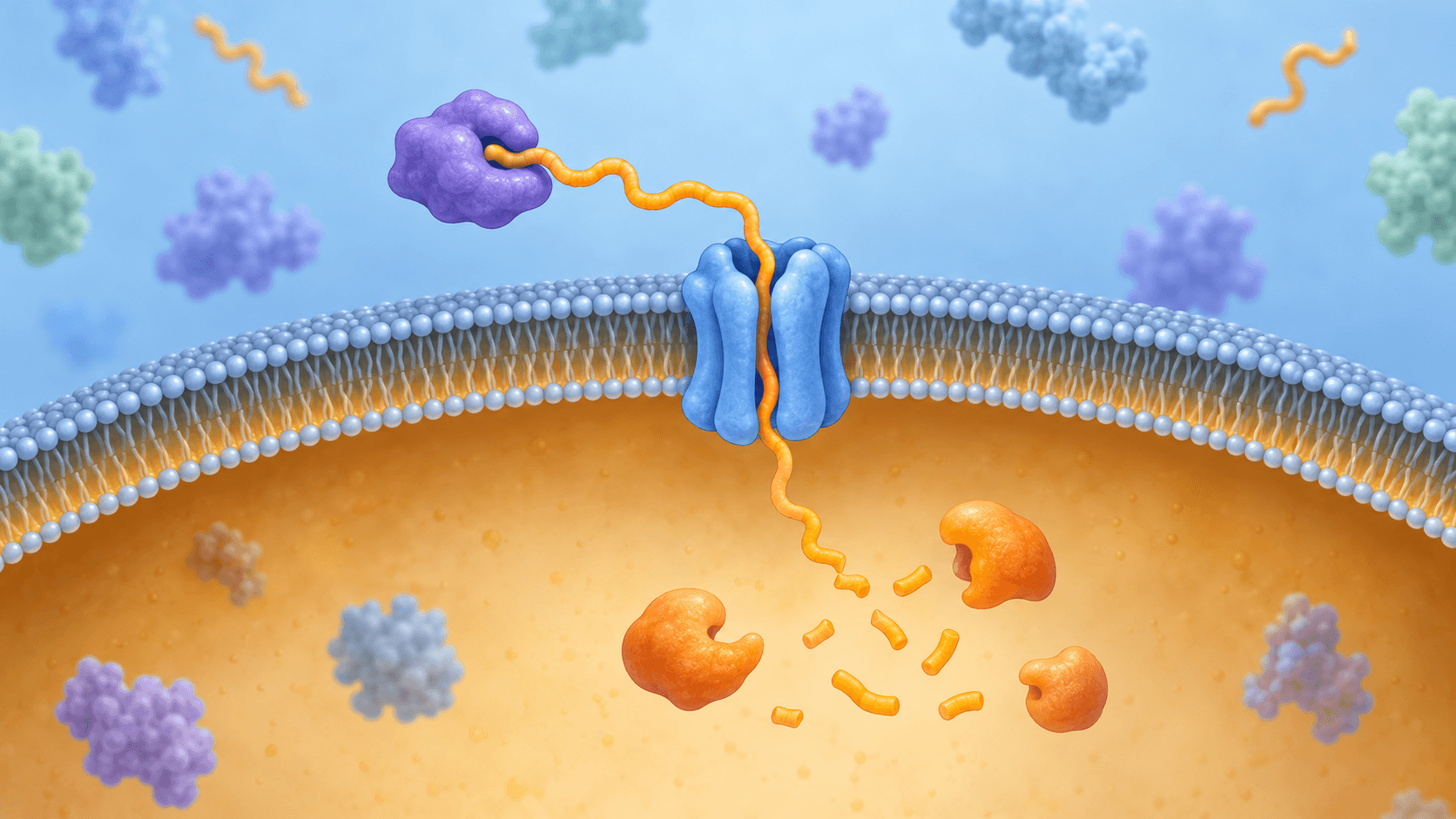
Protein recycling links cell signals and immune function in aging mice
A study published in Nature Aging on 5 October 2026 connects a selective protein recycling pathway to the persistence of senescent cells. In mouse cells and mouse models, weakening chaperone-mediated autophagy changed the signals released by cells and impaired macrophages, immune cells that engulf cellular material. Activating the pathway improved several senescence-related measurements in aged mice and reduced fibrosis when treatment began early after experimental lung injury. Human lung samples provide supporting associations, but the study does not establish a treatment for human aging or pulmonary fibrosis. Some inconsistencies between figure legends and source data also limit detailed quantitative interpretation.