
Pulse / Stay informed
News
Scientific and technical advances, in context.
In focus
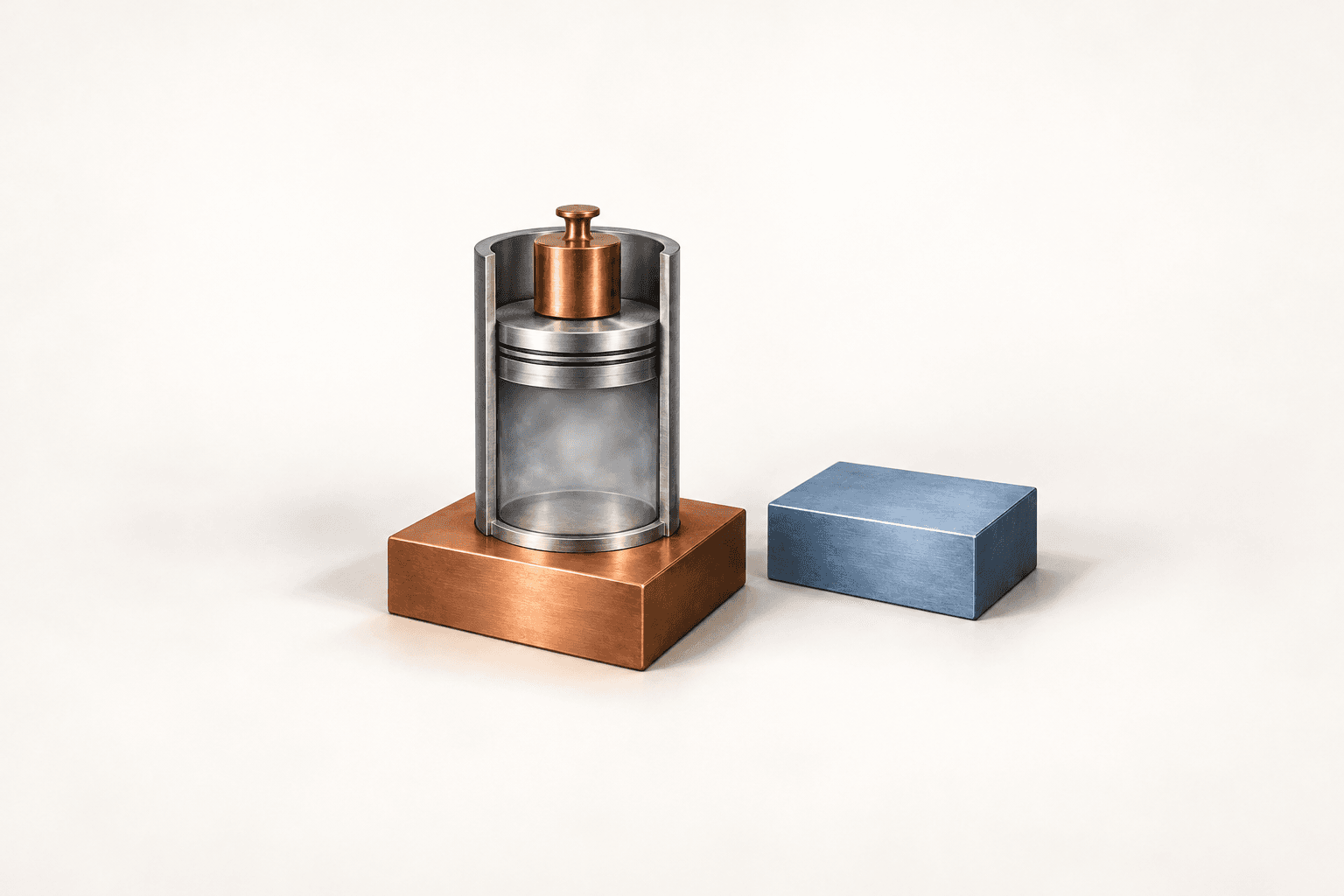
Carnot, 1824: an ideal engine as a standard for useful work
In 1824, Sadi Carnot used reversible ideal engines to ask how much useful work heat could provide. His conserved-caloric hypothesis was wrong; the lasting comparison survives through modern energy and entropy balances, with a limit set by the two reservoir temperatures.
Read the articleLatest articles

1962: semiconductor junctions bring red light to electronics
Holonyak and Bevacqua demonstrated visible red emission and, under different conditions, pulsed laser action in GaAsP junctions. The milestone opened a materials route for light-emitting devices; it was neither the first electroluminescence nor a white-light LED.

1869: Mendeleev made the gaps in chemistry testable
Mendeleev arranged elements by atomic weight and chemical similarities, leaving room for unknown elements. Predictions developed in 1871 later found support in gallium and germanium. This was a powerful empirical classification, with errors and competitors—not a complete modern explanation of atoms.
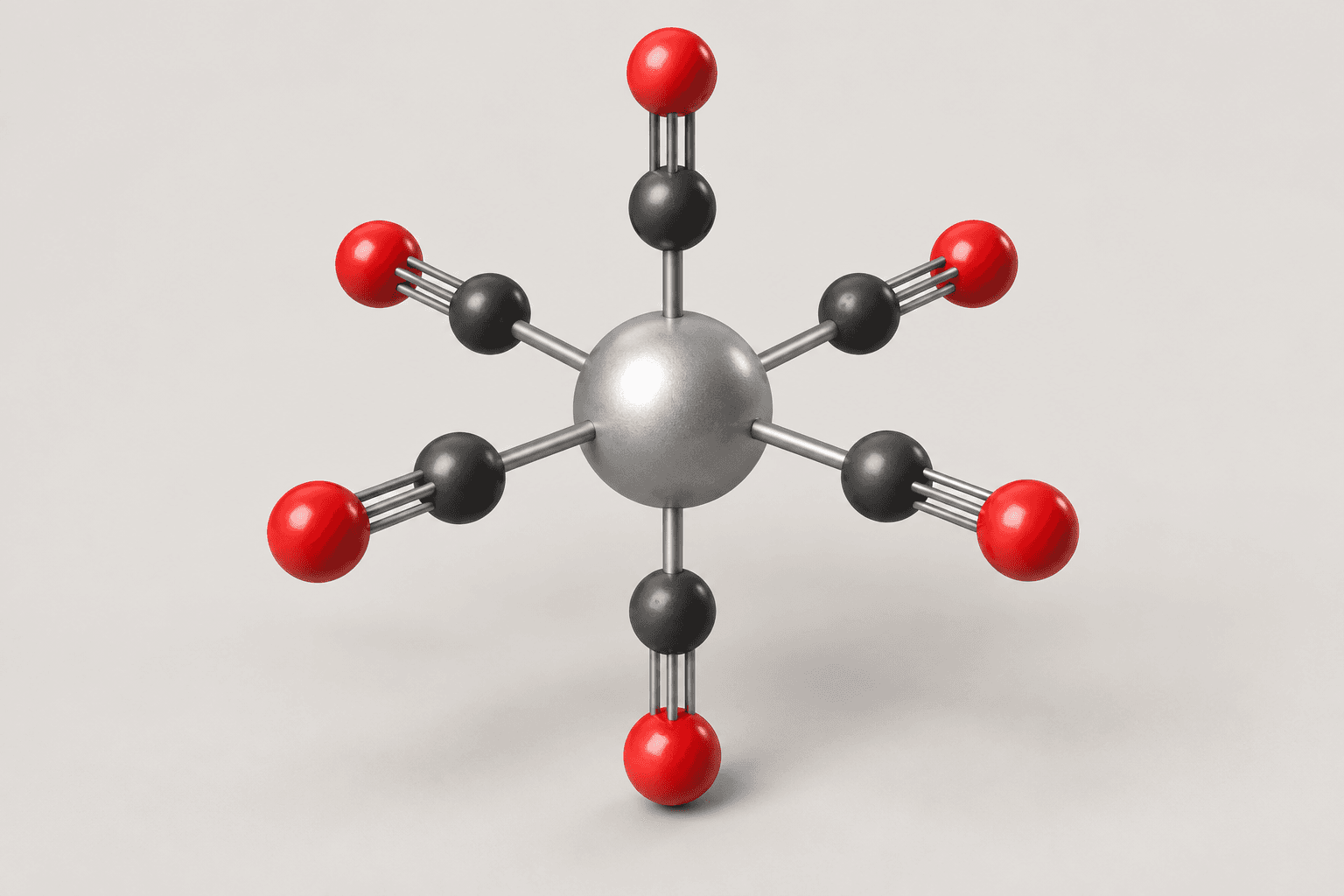
Seaborgium bonding: three events and a debated energy estimate
Three events attributed to seaborgium hexacarbonyl underpin a Nature study’s estimate that its first bond dissociation energy is 4 ± 2 kJ mol−1 below tungsten’s. The interpretation depends on molecular identification and a kinetic model; it is not a direct bond-breaking measurement.