
Pulse / Stay informed
News
Scientific and technical advances, in context.
In focus

John Snow, 1854: comparing water supplies to investigate cholera
In London in 1854, John Snow compared cholera deaths in houses supplied by two water companies. Their different intake locations offered evidence for waterborne transmission. His seven-week figures yield about 8.4 times as many deaths per house for Southwark and Vauxhall as for Lambeth. This observational comparison included estimated allocations and did not identify the bacterium.
Read the articleLatest articles
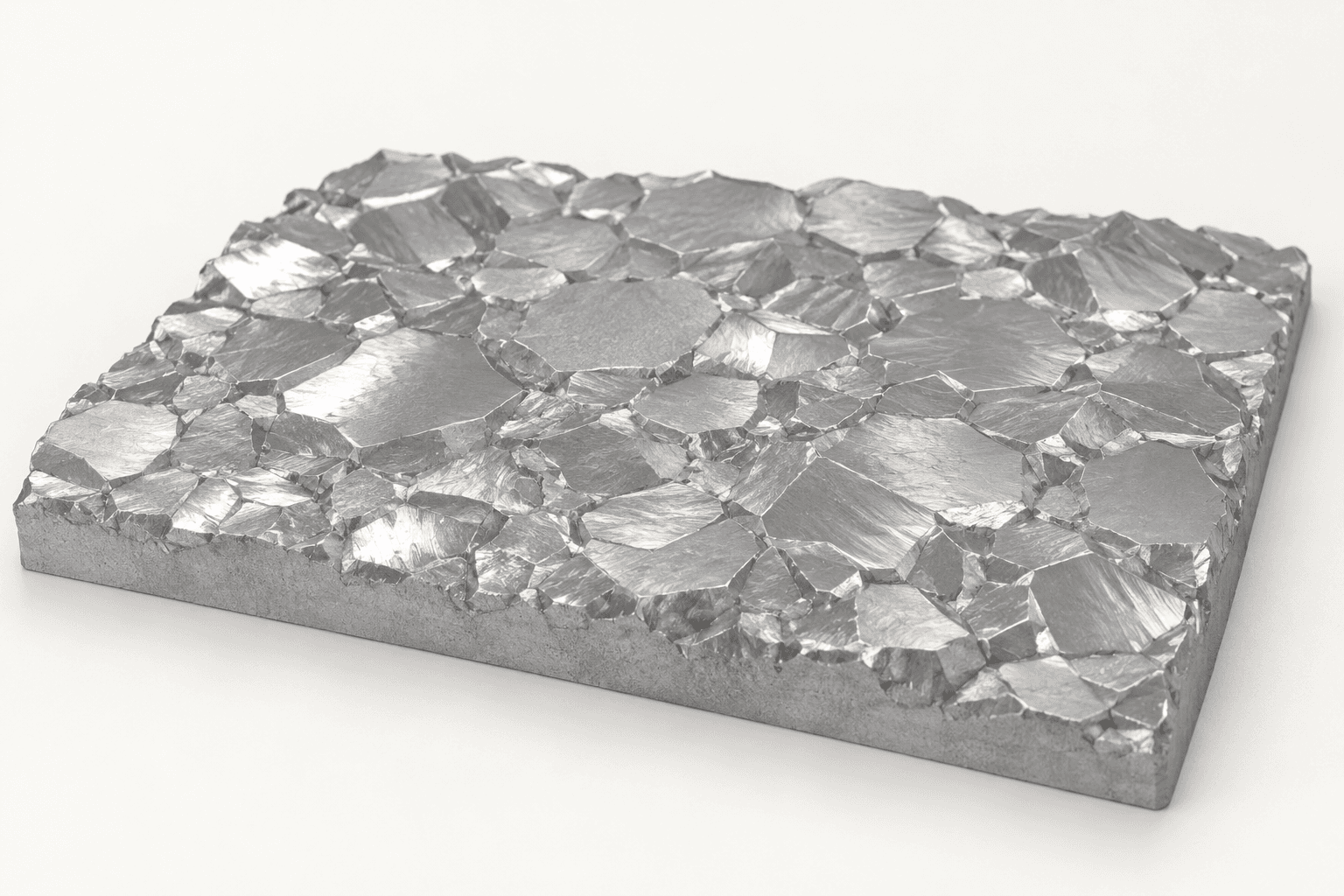
Crystal twins improve magnesium plating in laboratory batteries
A study first published on 4 September 2026 uses repeated compression to reshape magnesium’s crystal structure. The resulting electrodes improve metal deposition and charge recovery in laboratory cells, including a long-running magnesium–molybdenum sulfide battery. Practical energy density, manufacturing costs and independent replication remain open questions.
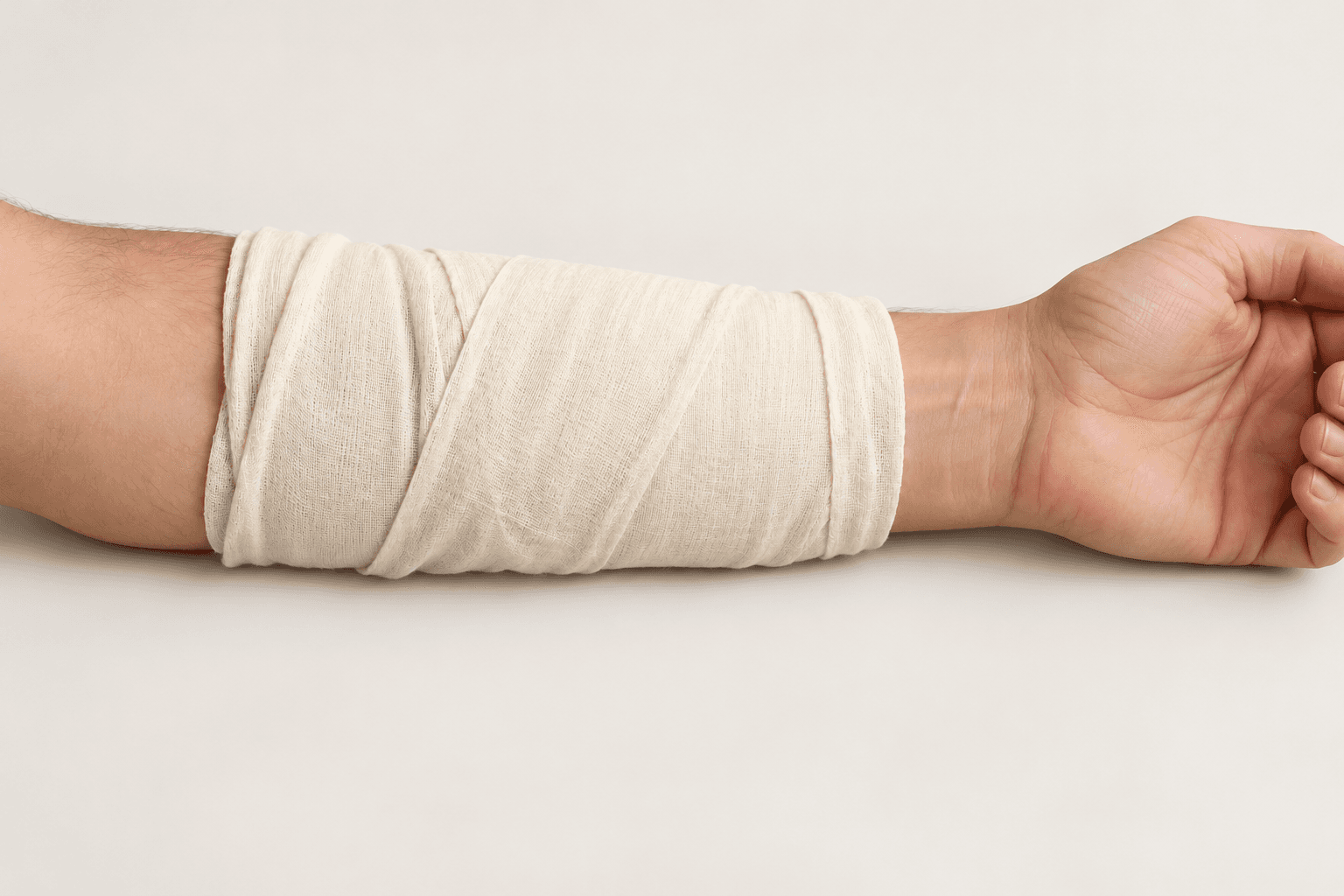
1867: Lister makes wound contamination a surgical target
Joseph Lister connected Pasteur’s research on living microorganisms with a practical system for protecting surgical wounds. His 1867 account, followed by a numerical comparison in 1870, helped change surgery. The historical evidence also shows why promising observations, chemical irritation and uncontrolled comparisons must be distinguished.
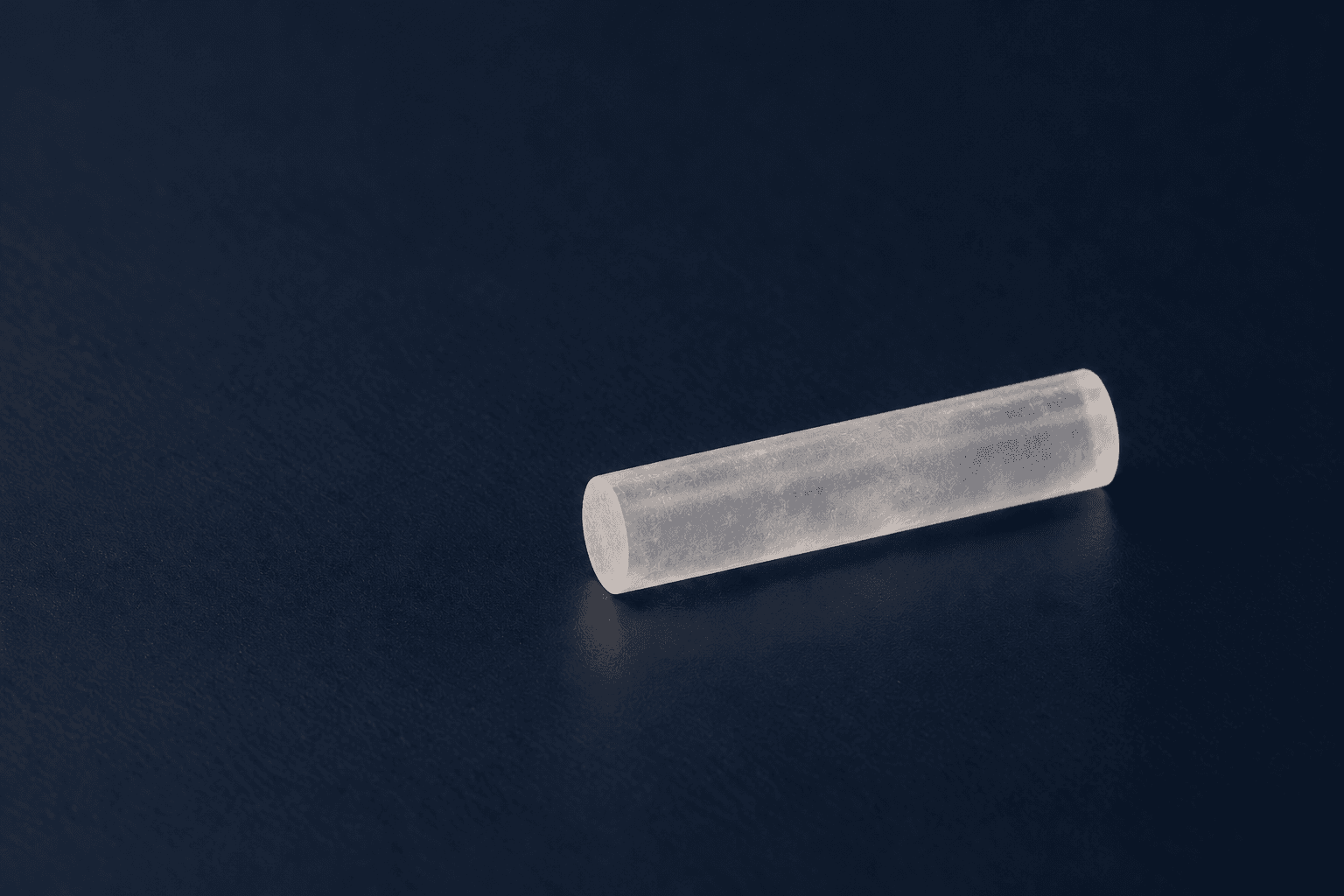
A thorium nuclear clock gains stability with improved optical readout
Public September data document an approximately fourfold reduction in a thorium nuclear clock's fitted frequency-instability coefficient. The gain concerns one laboratory configuration; it establishes neither absolute accuracy nor independent replication.