

Formal Sciences
What is a set?
A set groups well-defined objects; membership, inclusion and operations describe its structure.
8 min readDiscover
Pulse / Understand
Foundations to learn, connect ideas and deepen your knowledge.
One idea, a fresh perspective. Choose what you would like to understand.
Formal Sciences
A set groups well-defined objects; membership, inclusion and operations describe its structure.

Computer Science
From contract to proof: follow a maximum search, test its limits and distinguish method, program, correctness and termination.

Social Sciences
With technology unchanged, increasing one input while the others remain fixed often ultimately reduces its marginal product; if it is the only variable input, paid at a constant price, and as long as its marginal product remains positive, this decline raises marginal cost.
Search for an idea or browse the domains.
Showing 22 of 22 results
Computer Science
From contract to proof: follow a maximum search, test its limits and distinguish method, program, correctness and termination.
Formal Sciences
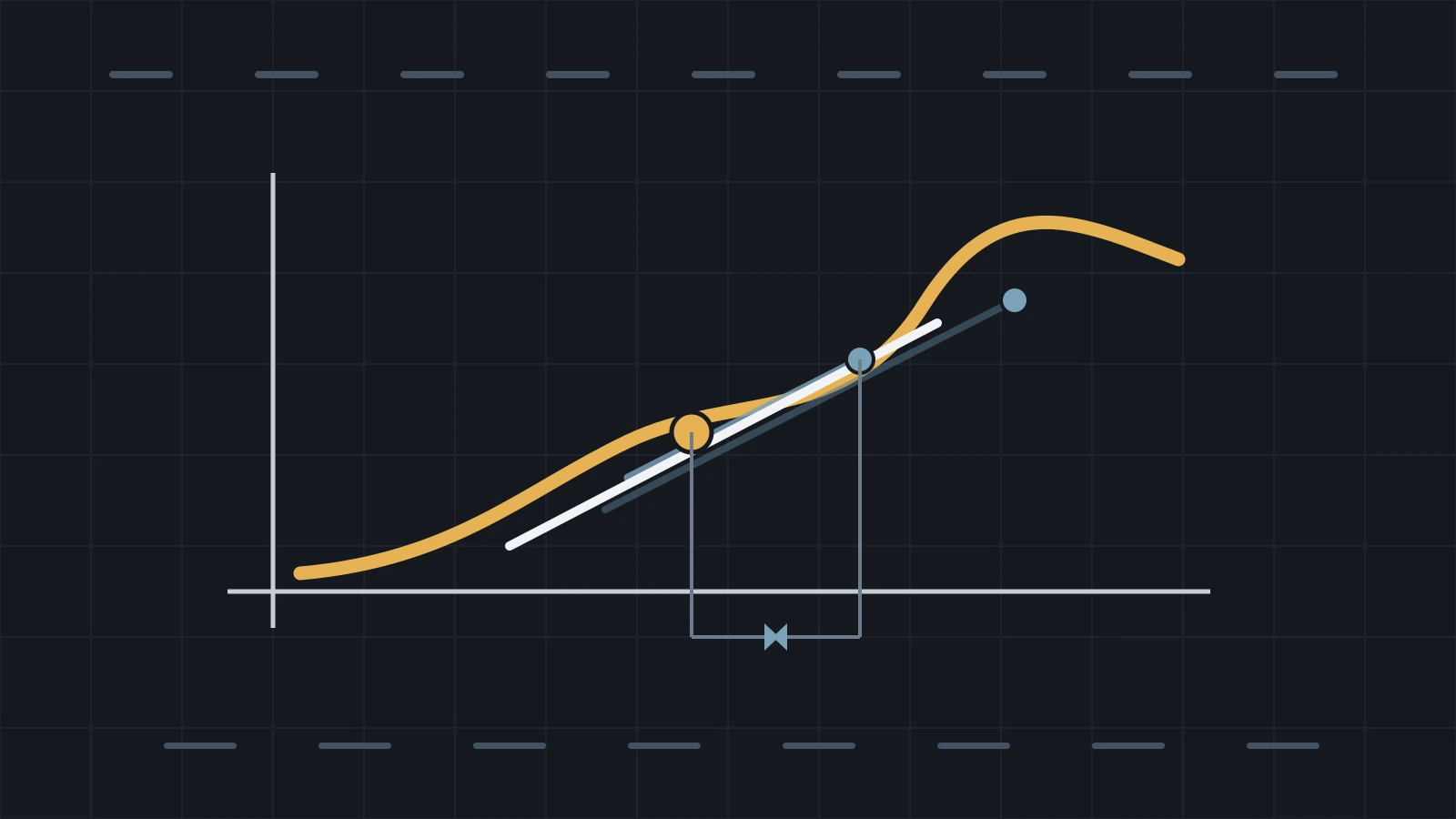
A derivative measures instantaneous change: it arises as the limit of rates of change and is interpreted as the slope of a tangent.

Formal Sciences
Rate of change measures average change between two specified inputs. See how interval choice, units, and representation determine what the number actually means.

Formal Sciences
A function is more than a formula: each allowed input has exactly one output. Distinguish domain, image, preimages, and the main representations of the same rule.
Formal Sciences
A set groups well-defined objects; membership, inclusion and operations describe its structure.

Formal Sciences
In a multigraph whose vertices of nonzero degree are all connected, degree parity determines whether every edge can be traversed exactly once.
Social Sciences
With technology unchanged, increasing one input while the others remain fixed often ultimately reduces its marginal product; if it is the only variable input, paid at a constant price, and as long as its marginal product remains positive, this decline raises marginal cost.

Social Sciences
In the two-good, constant-cost model, reallocation follows opportunity cost; if preferences are strictly increasing in chairs over the bundles compared, a price strictly between the two costs enables mutual gain.
Finance
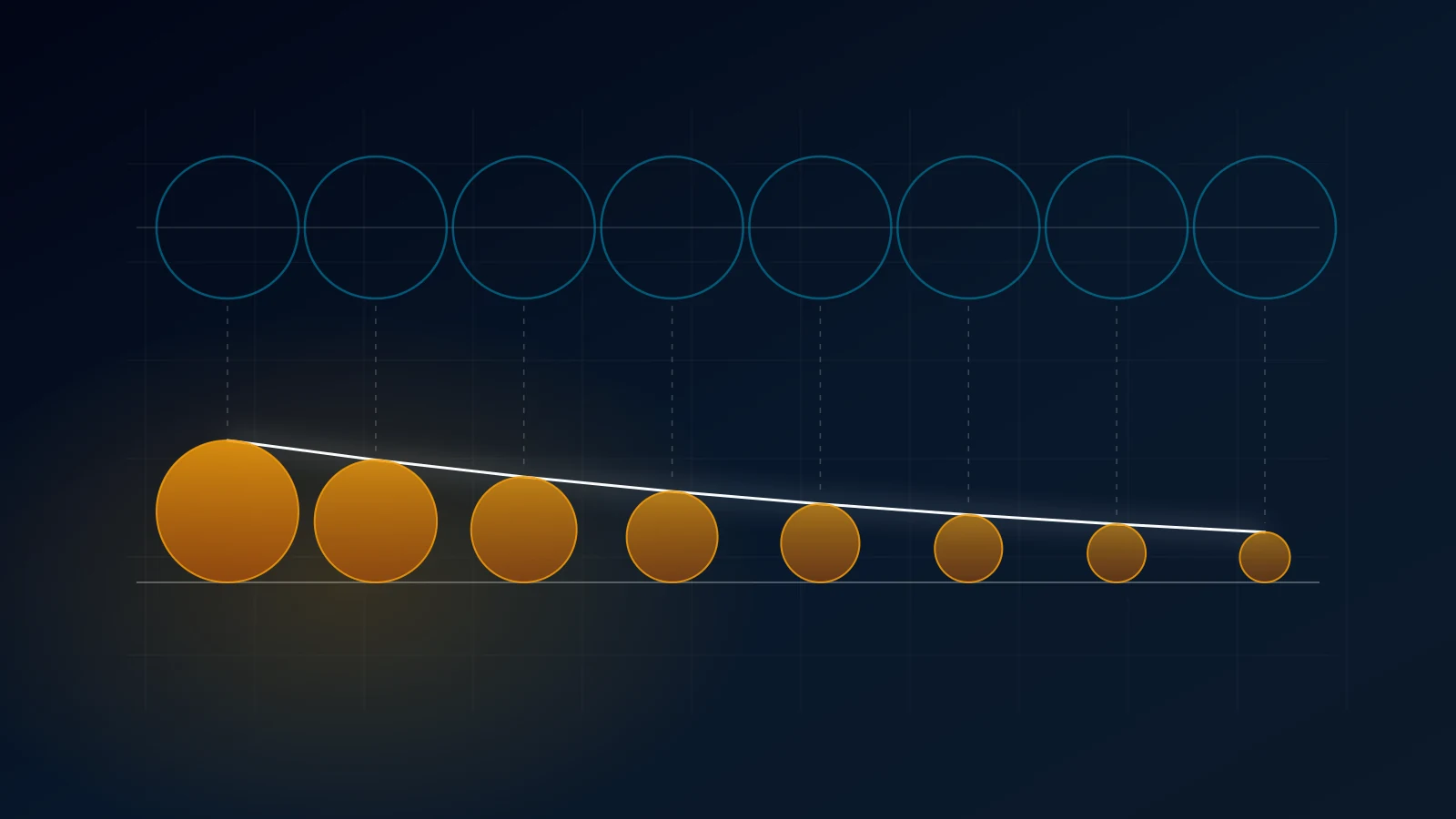
An amount means nothing without its date. Comparing sums placed at different dates requires bringing them back to a single date: a flow weighs the less the more distant its maturity, as soon as the reference return is positive.
Finance
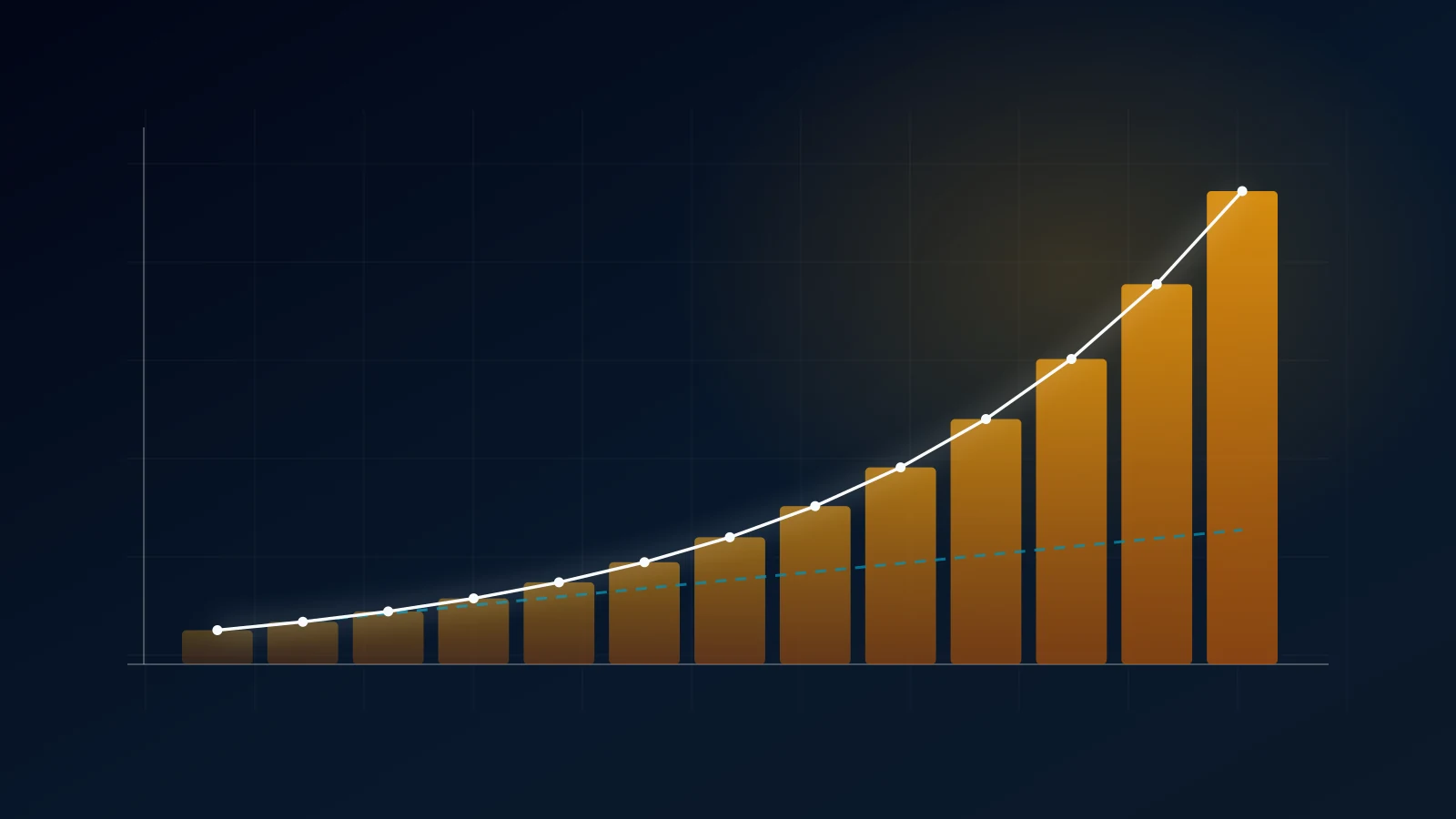
When interest is added to the principal, it in turn earns interest: the sum no longer grows by a fixed amount each period, it is multiplied by a fixed factor.
Social Sciences
Supply and demand are not quantities but two relations between price and quantity; their intersection defines the equilibrium price.
Social Sciences
The cost of a choice is not limited to the money spent: it is the value of the best option it makes you give up.
Formal Sciences
All of analysis rests on a single property: the completeness of ℝ. Remove it, and its theorems fall one by one.
Natural Sciences
The energy of an isolated system does not change; only its form does, and this invariance follows from a symmetry.
Formal Sciences
Induction proves infinitely many statements with two checks: a starting point, and a step that propagates.
Formal Sciences
To infer is to pass from premises to a conclusion by a rule; the rule is judged on its form, not on the content.
Formal Sciences
A predicate is a statement with a hole: it becomes true or false only once the hole is filled, or quantified.
Formal Sciences
A probability is a measure between 0 and 1 on events; three axioms suffice to derive everything else.
Formal Sciences
A limit says what a function tends towards at a point, without needing to be defined there.
Formal Sciences
A real number is a point on the continuous line; what sets it apart from a rational is that it leaves no gap.
Formal Sciences
A digit is a symbol used to write numbers; a base uses exactly as many digits as its value.
Formal Sciences
An even number is an integer divisible by 2 with no remainder.